In short
An AI agent that reads the purchasing inbox, queries the ERP and prepares payments expands what the team can get done in a day. It also expands what a malicious email can do. Information security is the discipline that protects the confidentiality, integrity and availability of the company's data and systems. With generative AI and agents, those principles stay the same, and the points of exposure move. Part of the answer lies in the context architecture, the role of the Company Brain, the layer that knows the company: what data exists, where it lives, how it relates and who can see what.
The classic information security triad applies to models and agents. What changes is where each property can fail:
An agent introduces an intermediary that reads content from several origins, assembles a context and acts in other systems. Each step is a new point of control.
The generative AI profile published by NIST in 2024 treats information security as one of the risks the technology creates or worsens. In a company's day-to-day work, six surfaces draw most of the attention:
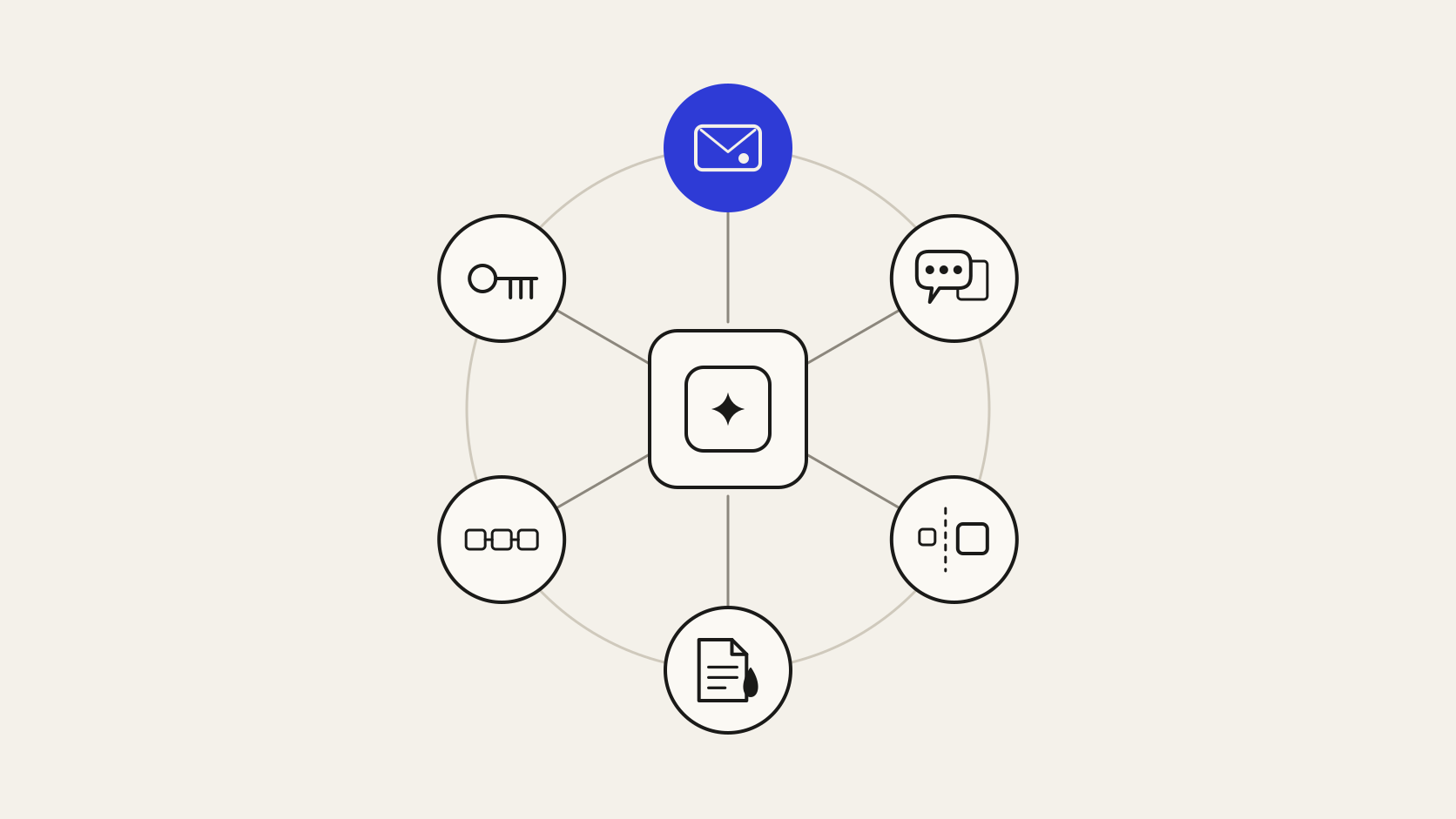
Identity management gives each agent its own account. Least privilege limits each tool to the access the task requires. Segmentation keeps an agent under test from reaching production data.
Logging and monitoring remain the basis of any investigation. Vendor management now includes model and tool providers. The incident response plan gains scenarios such as revoking an agent's credential and reconstructing which answers it gave.
The LGPD still requires purpose, necessity and security measures when models process personal data, and every AI flow that touches personal data goes into the record of processing operations the controller keeps under LGPD art. 37, overseen by the DPO.
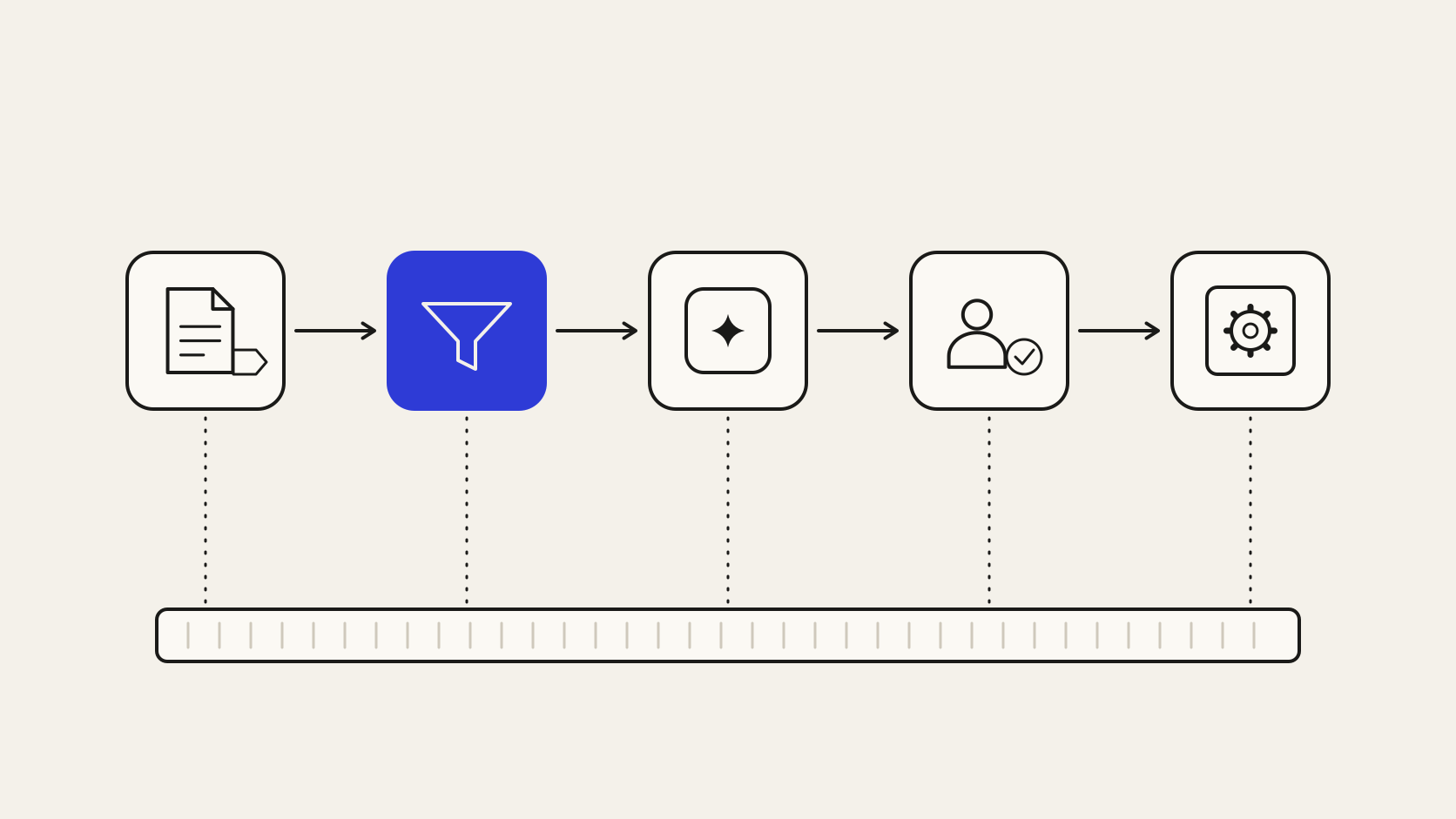
Other controls exist because models process instructions and content in the same stream of text:
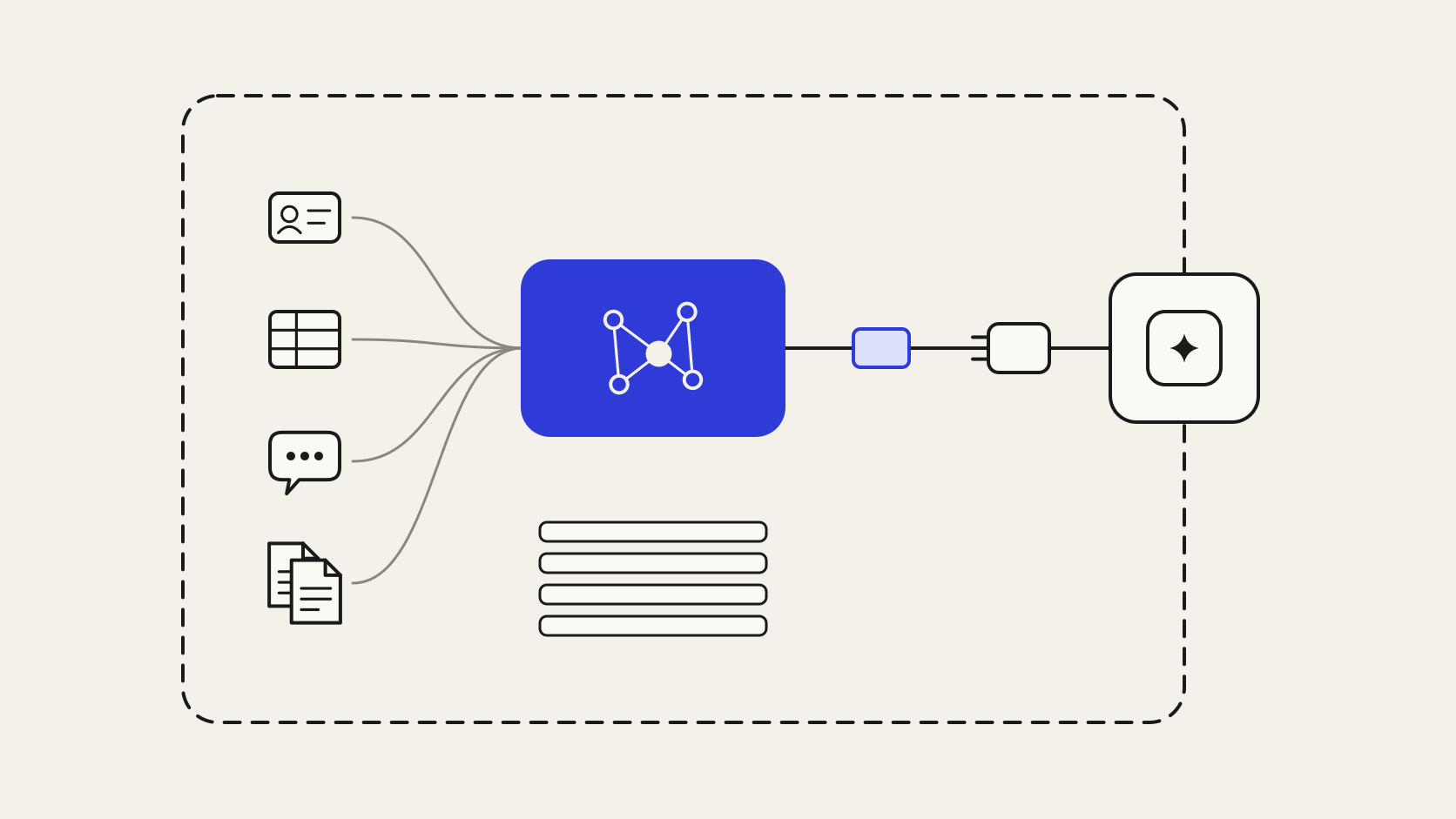
The Company Brain connects CRM, ERP, helpdesk and documents once and organises that data into a knowledge graph, with a business ontology and a semantic layer. The data stores stay in the customer's environment, with no copy sent to the model provider.
For each question, the model receives over MCP only the minimal slice the answer requires, already filtered by the permission inherited from the source system. With a model running as an external service, that slice leaves the perimeter for that call and follows the vendor's terms. With a model on the company's own infrastructure, it stays inside as well.
Every answer cites the source system and record. For information security, this makes it possible to reconstruct an incident: who asked, which sources were read and with what permission.
Prompt injection remains an open problem. Known techniques lower the chance of success without guaranteeing a separation between instructions and content, and the most effective control limits what the agent does after reading external content.
The Company Brain also inherits the limits of its sources. A permission misconfigured at the source reaches the answer unchanged, and a tampered document stays tampered until someone fixes it. Information security with AI still requires a security team, periodic testing, access reviews and an incident response process.
The first lists the flows in which data leaves the perimeter, such as calls to external models, extensions and automations, with what data leaves, to which vendor and under what terms.
The second covers the credentials agents use: which accounts, with what scope, in which systems and with write or read-only permission. The flows that combine external content, sensitive data and a write credential are the first candidates for permission filtering, human review and a complete query log.