In short
When the board asks how much an AI project returned, the first calculation is usually how many people are no longer needed. That calculation comes late and captures a single effect. AI ROI compares the additional output of an AI-supported process with the total cost of running it, and the most common return shows up as capacity: more volume with the same team, a shorter cycle, fewer errors. Both sides of the math depend on the context that reaches the model, which is the job of the Company Brain, the layer that knows the company: what data exists, where it lives, how it connects and who can see what.
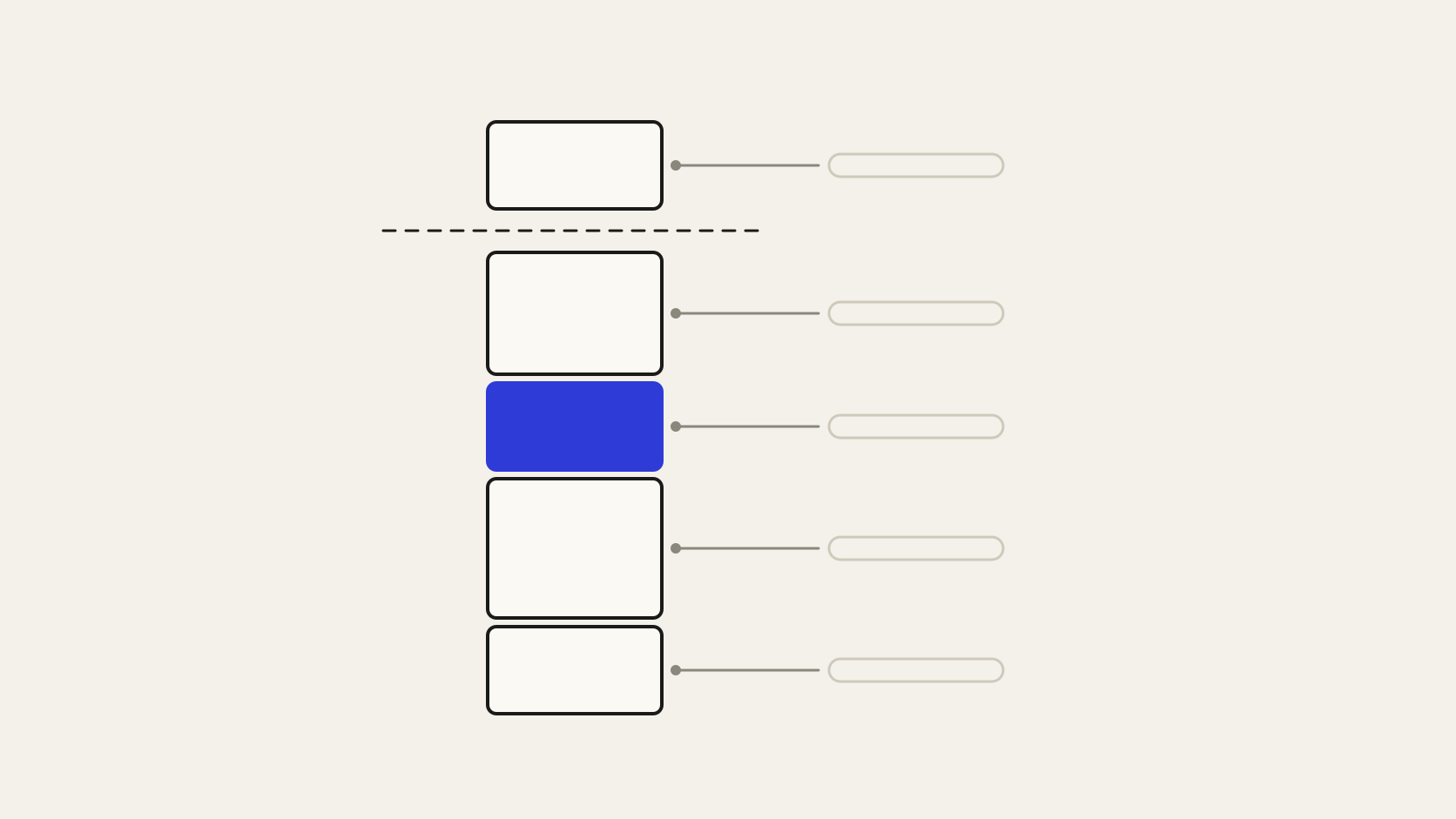
In high-volume processes, the first effect of a well-deployed project is the same team doing more. That gain takes five measurable forms:
Academic research measures it this way. A study published by the NBER in 2023 followed customer support agents and measured the effect of an AI assistant by the number of issues resolved per hour. The average gain was 14%, higher among the least experienced workers. The metric chosen was capacity.
Headcount reduction is the slowest effect to show up. It depends on turnover, on management decisions and on the process having stabilized. In a quarterly review, a project that freed up capacity and absorbed growth shows a return of zero.
The metric also steers project selection badly. Processes get prioritized by how many people they involve, and the ones with small teams and a high cost of error, such as checking supplier invoices, get left out. In those cases, the return lies in the errors avoided.
A verifiable AI ROI compares the process before and after, using the same metric. For invoice checking in accounts payable, the setup follows four steps:
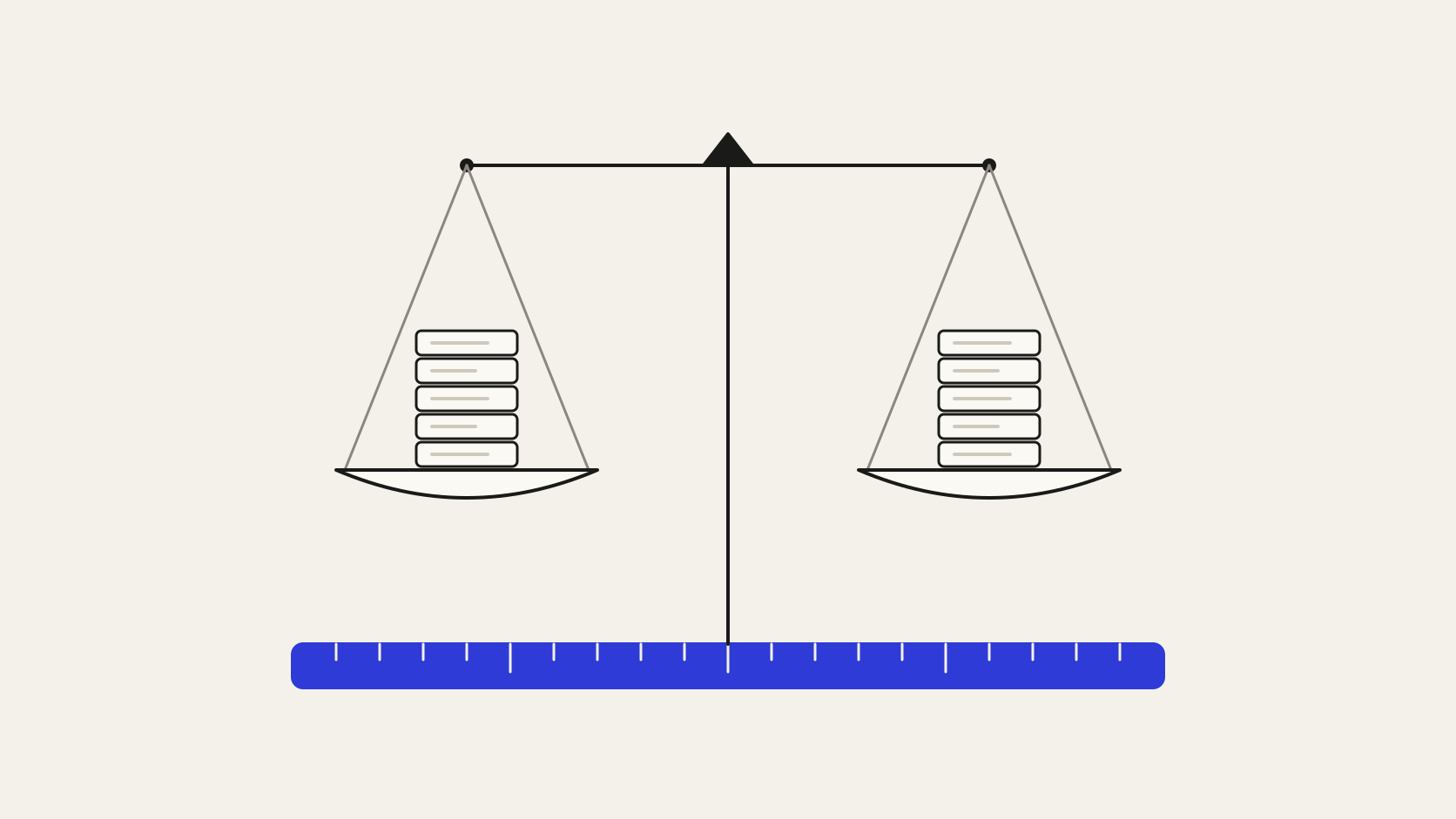
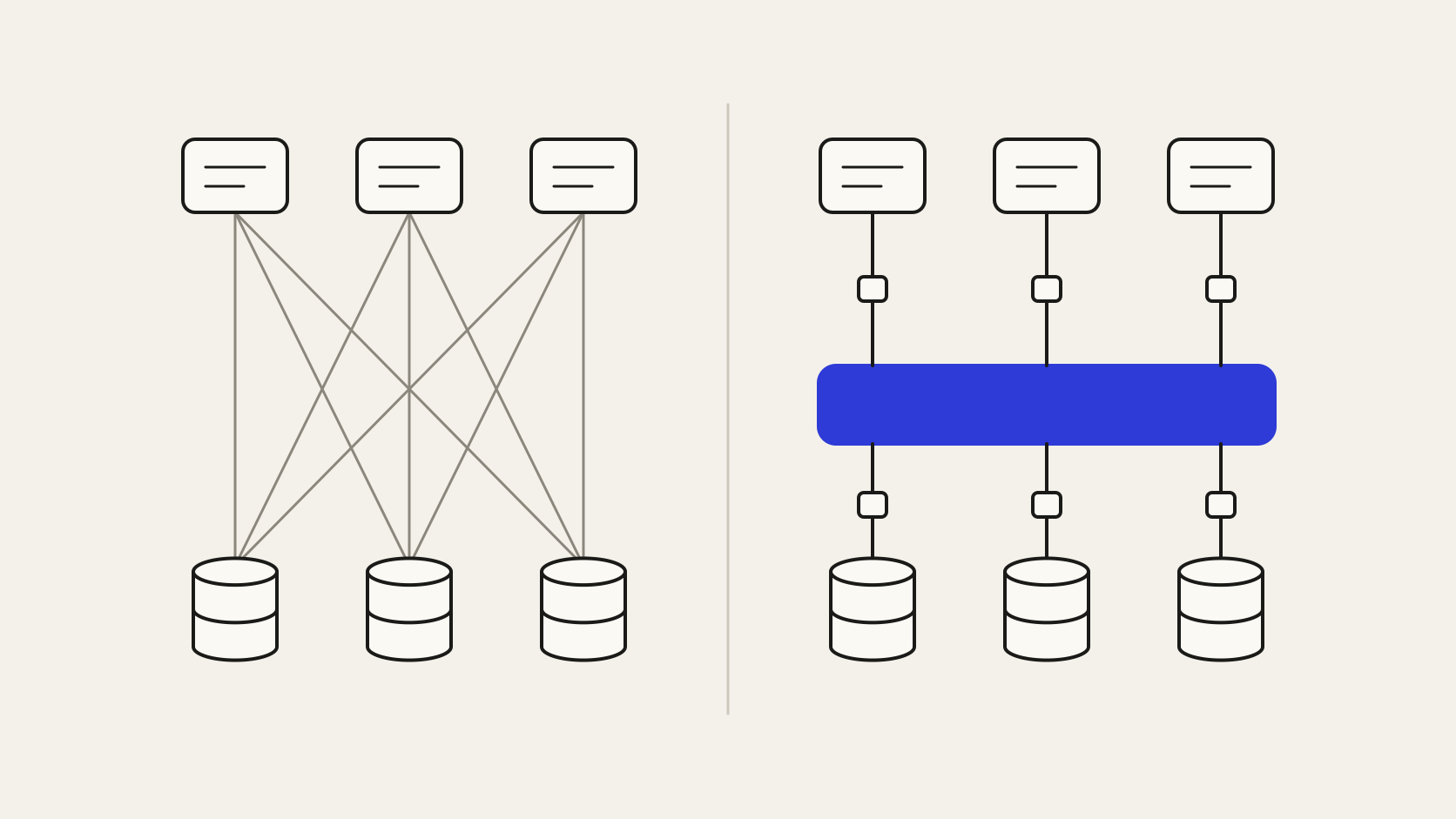
On the cost side, integration is built once. The Company Brain connects the ERP, purchasing, contracts and email, and the next project reuses those connections. The integration cost is split across use cases.
The knowledge graph links each invoice to the purchase order and to the supplier contract. The business ontology defines what an acceptable discrepancy is in this company, and the semantic layer assembles only the slice the question needs. That slice reaches the model through MCP, smaller and organized, which cuts tokens per call and makes it possible to run the same task on lower cost models.
On the gain side, the right context reduces errors and traceability reduces the cost of review. Every flagged discrepancy comes with the invoice, the order and the source clause, and the analyst checks the source instead of redoing the search across three systems. Permissions are inherited from the source system, and each person gets only the data they can already see.
A process that happens only a few times a month will hardly pay for the deployment. AI ROI grows with repetition, and choosing the first process starts from volume.
Adoption counts too. If the team keeps checking invoices the old way out of distrust, the capacity freed up stays on paper. It only becomes a result when management decides where it goes: absorbing growth, shortening approval time or covering a team with a backlog.
There is also a lag. The first months concentrate integration and tuning costs, and the gain comes later. An AI ROI calculation closed too early records the investment without the return.
The starting point is a process with volume, an owner and a metric that can already be measured today. Recording the baseline for a few weeks before connecting any source protects the math, because without it AI ROI becomes an estimate.
With the baseline recorded, the project defines which sources the process needs and which will be reused by the next use case. That reuse makes the second project's return arrive sooner than the first one's.