In short
In many companies, the first rule about artificial intelligence arrives by email, in two lines. It forbids pasting customer data into external tools and leaves unanswered which tool may be used, for what and who is accountable for it. The AI use policy is the document that fills those gaps. It takes effect when the access rules it describes are enforced by the systems themselves, the role of the Company Brain, the layer that knows the company: what data exists, where it lives, how it relates and who can see what.
An AI use policy establishes which artificial intelligence tools may be used in the company, with which data, by whom, for which purposes and with what oversight. It covers generative assistants, AI features built into contracted systems, agents and automations that send data to external models. The document complements the information security policy and the privacy programme.
AI use usually starts before the rule. Without an approved tool, people turn to personal services, and company data circulates in environments nobody has assessed. This parallel use, shadow AI, is the most frequent trigger for a first AI use policy.
There is also a legal obligation. The General Personal Data Protection Law, Law 13,709/2018, requires the processing of personal data to have a defined purpose, be limited to what is necessary and be backed by security measures. It also gives data subjects the right to request a review of decisions made solely on the basis of automated processing.
Customer contracts add confidentiality clauses that forbid passing material on to third parties. In regulated sectors, such as finance and healthcare, their own rules impose additional requirements.
The content varies with the sector and the size of the company. Some blocks appear in almost every version that works:
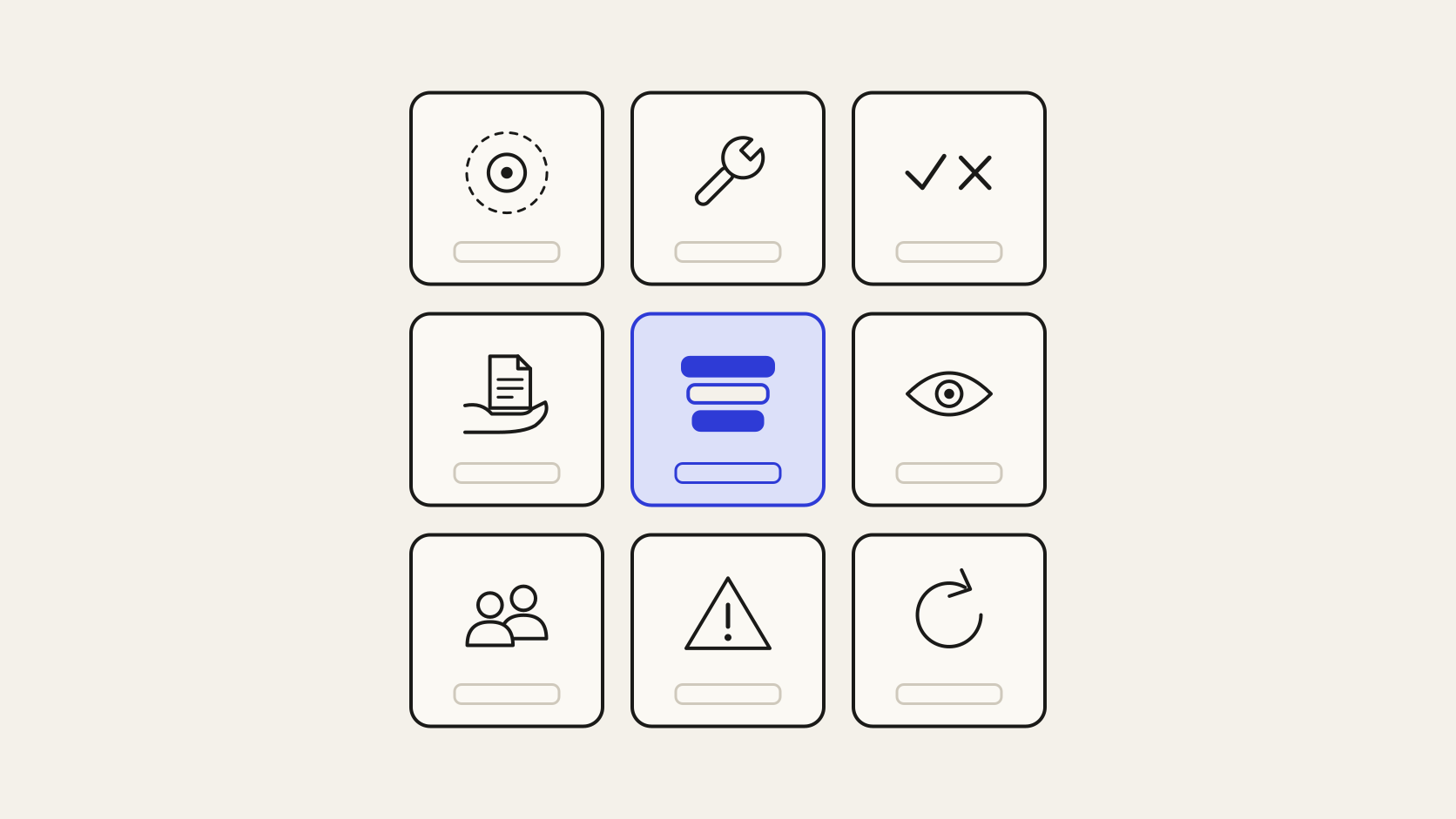
Data classification underpins the other blocks. A common scale has four levels. Public material may go into any approved tool. Internal data goes only into tools with a corporate contract. Confidential data, such as contracts, requires terms that rule out retention and training. Restricted data, such as sensitive personal data and payroll, stays out of generative tools until a specific assessment.
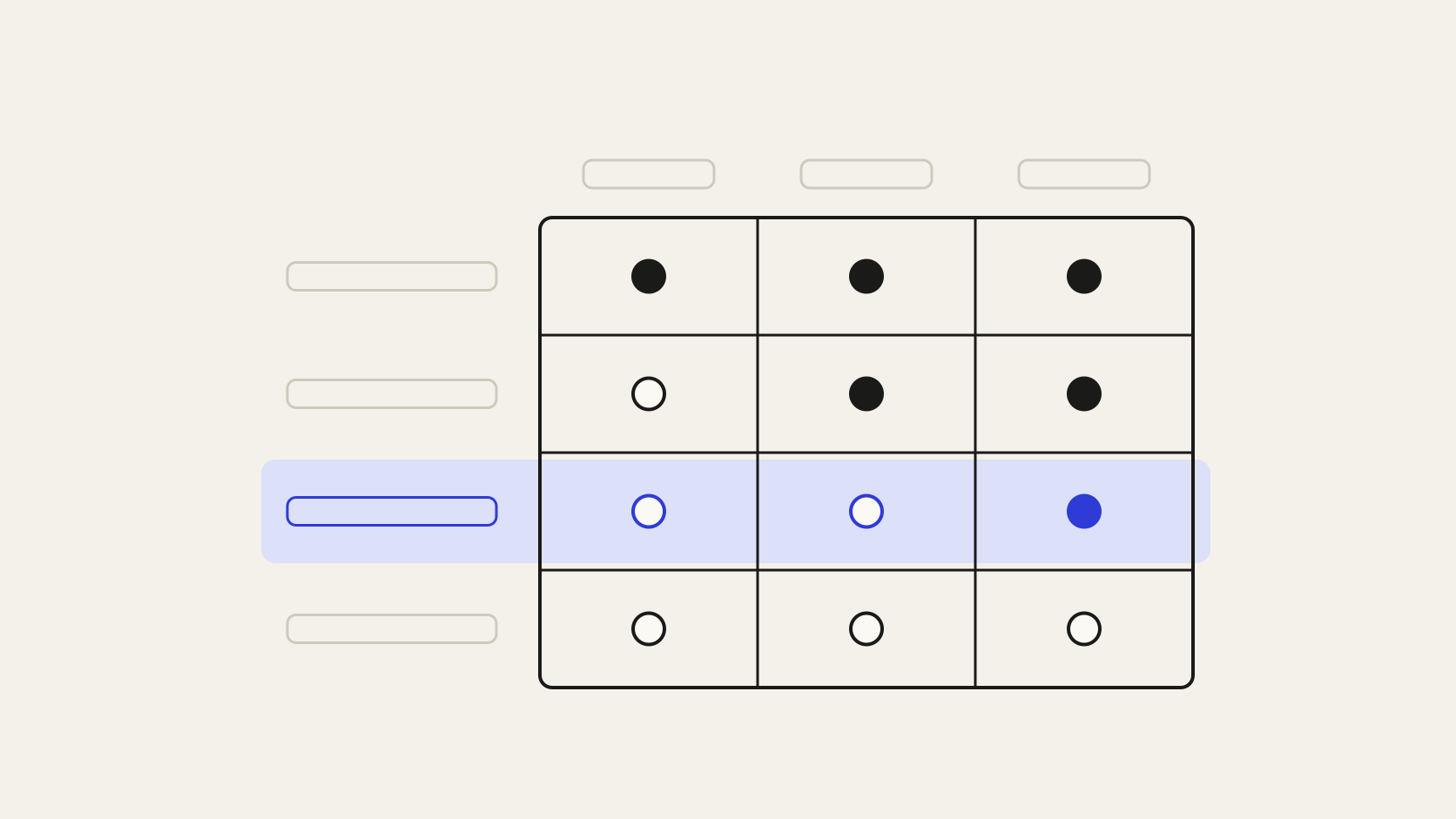
Examples by area take the rule out of the abstract. In sales, drafting prospecting messages from public information is permitted, and sending the margin table to a tool without a contract is prohibited. In engineering, sending credentials or production configuration is prohibited.
Human review is defined by type of decision. In credit approval and candidate screening, the model's output serves as a draft, and the decision rests with an identified person.
Without classification, what goes into each tool depends on each person's judgement. The first round can cover only the sources consulted in tasks that already involve AI.
The next step is to approve at least one tool that is useful for those tasks. An AI use policy that restricts without offering an alternative sends people back to parallel use.
Then comes measuring adoption: use of the approved tool by area, traffic to unapproved services, assessment requests and reported incidents.
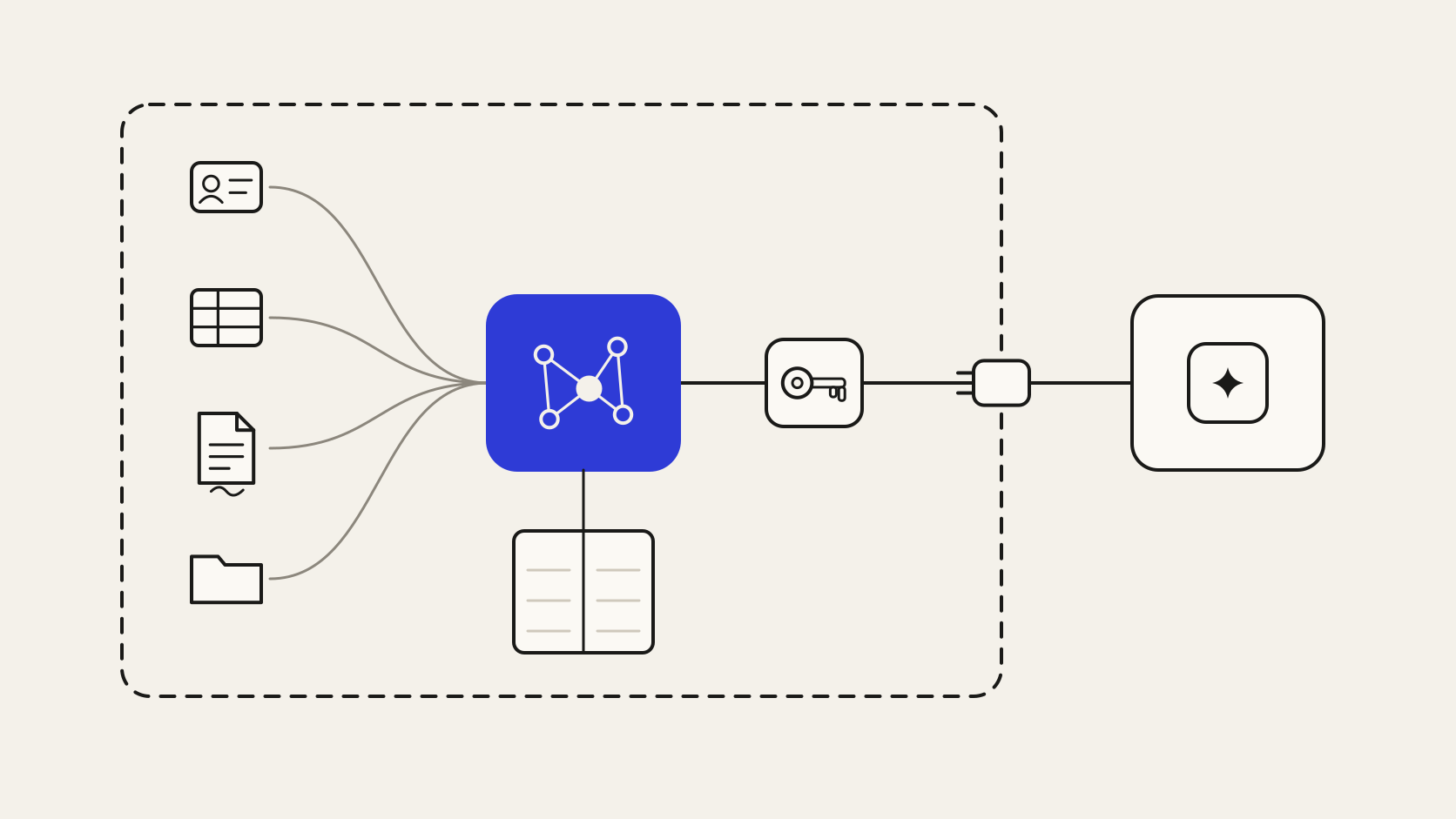
A good part of an AI use policy describes access rules: who may query which data, for what purpose and with what record. Written in a document, these rules depend on each person's discipline. In the Company Brain, they are enforced by the systems.
Permissions are inherited from the source system. An analyst who cannot see the negotiated margin in the ERP does not receive it through the AI either, because the slice served to the model over MCP respects the same access profile. Traceability records who asked what and from which source, which feeds incident investigations and audits.
The data stays in the company's systems, and the model receives only the slice it needs, from the vendor and on the terms the company chose.
The classification of each source, the decisions that require human review and the permitted purposes are the company's choices. The final version of the AI use policy should go through legal and the data protection officer (DPO), who assess legal bases, contracts in force and sector rules. The structure described here serves as a reference and does not replace that analysis.
The practical starting point is to list the tasks in which teams use AI the most and the sources each one consults. That list defines the scope of the first classification, the first tool to approve and the first slice of data to connect to the Company Brain.