In short
A packaging manufacturer receives emails every day from customers asking to change an order that has already been confirmed: move the delivery forward, cut the quantity, change the address. A current language model drafts a reply to any of these requests in seconds, and the demo wins over the board at the first meeting. Months later, the process is still done by hand. What is missing between those two scenes is AI implementation: connecting the sources, resolving what each piece of data means, applying permissions, fitting the reply into the workflow, deciding who decides, measuring and maintaining. Several of these steps depend on the Company Brain, the layer that knows the company: what data exists, where it lives, how it connects and who can see what.
With each release, models write better and follow longer instructions. That progress improves the part of the system that turns context into text, and the demo shows exactly that part. It runs on a hand-picked email, with the order data pasted into the prompt. In production, nobody pastes the data. The system has to find the right order and know which stage of the factory it is in.
In 2017, an NBER study on AI and productivity pointed to implementation lags as the main explanation for gains that have yet to show up: the gains depend on complementary investments in process and people. The same logic applies to language models. The model is the smaller piece, and AI implementation is everything else.
For order changes, AI implementation has seven steps:
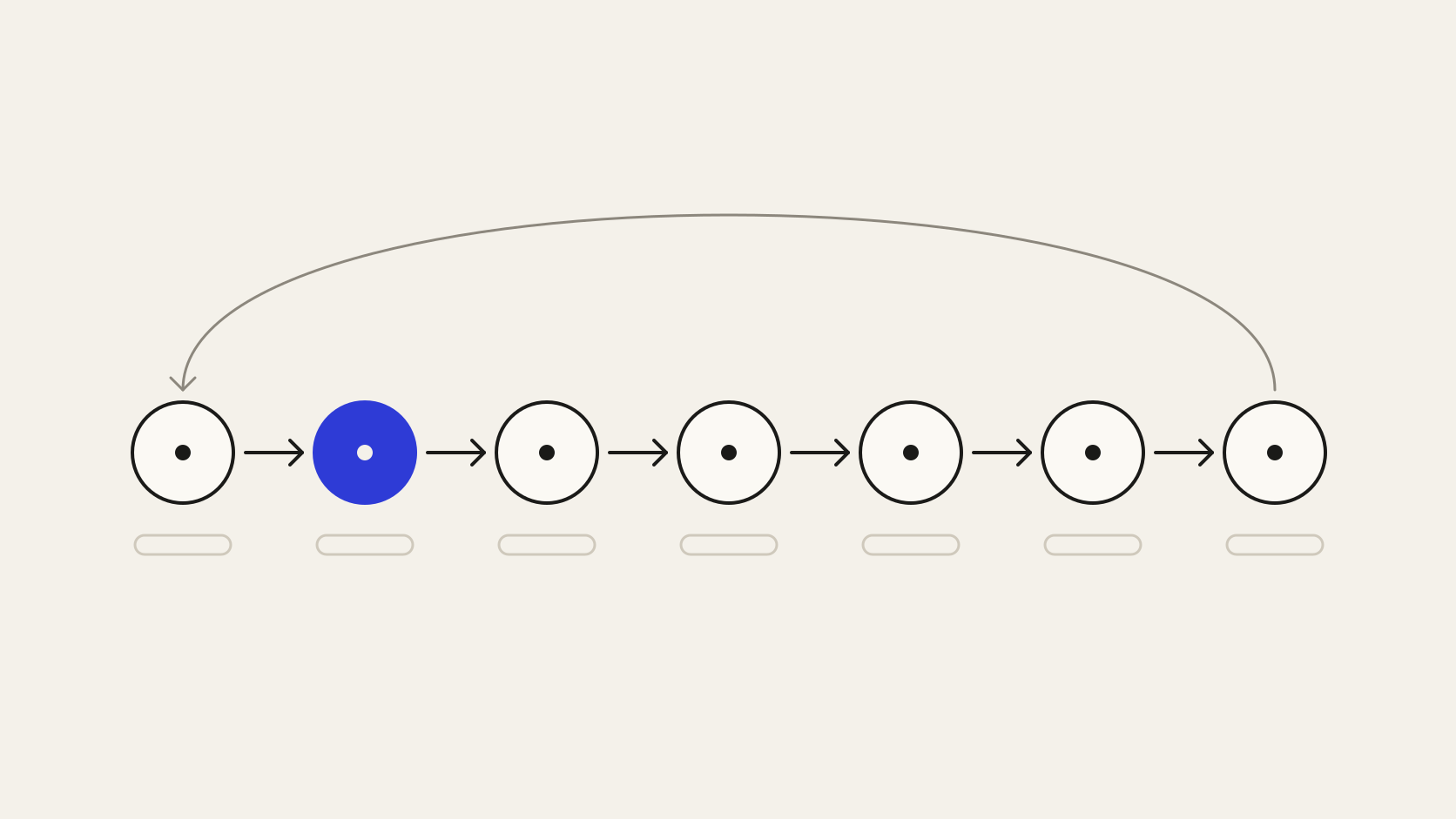
When the pilot disappoints, the usual reaction is to try a newer or bigger model. The switch improves how the draft is written. It does not connect the planning system, does not settle which delivery date counts and does not stop the customer service rep from seeing the margin.
A more fluent model can even make one of the steps worse. Without the real status of the production order, it fills the gap with the most likely continuation, and the wrong answer about the lead time sounds more convincing.
The pilot is usually budgeted as a technology purchase: license, development hours and a short timeline. The execution steps of AI implementation show up later, spread across teams that were not in the approval meeting.
The connection to planning depends on IT. Defining a confirmed order takes a conversation between sales and the factory that never happened. Permissions go through security, and the new workflow needs training. Each step is small, and together they set the real timeline.
The rule that orders inside the scheduling window cannot be moved forward usually lives only in the planning supervisor's head. The demo never needed it.
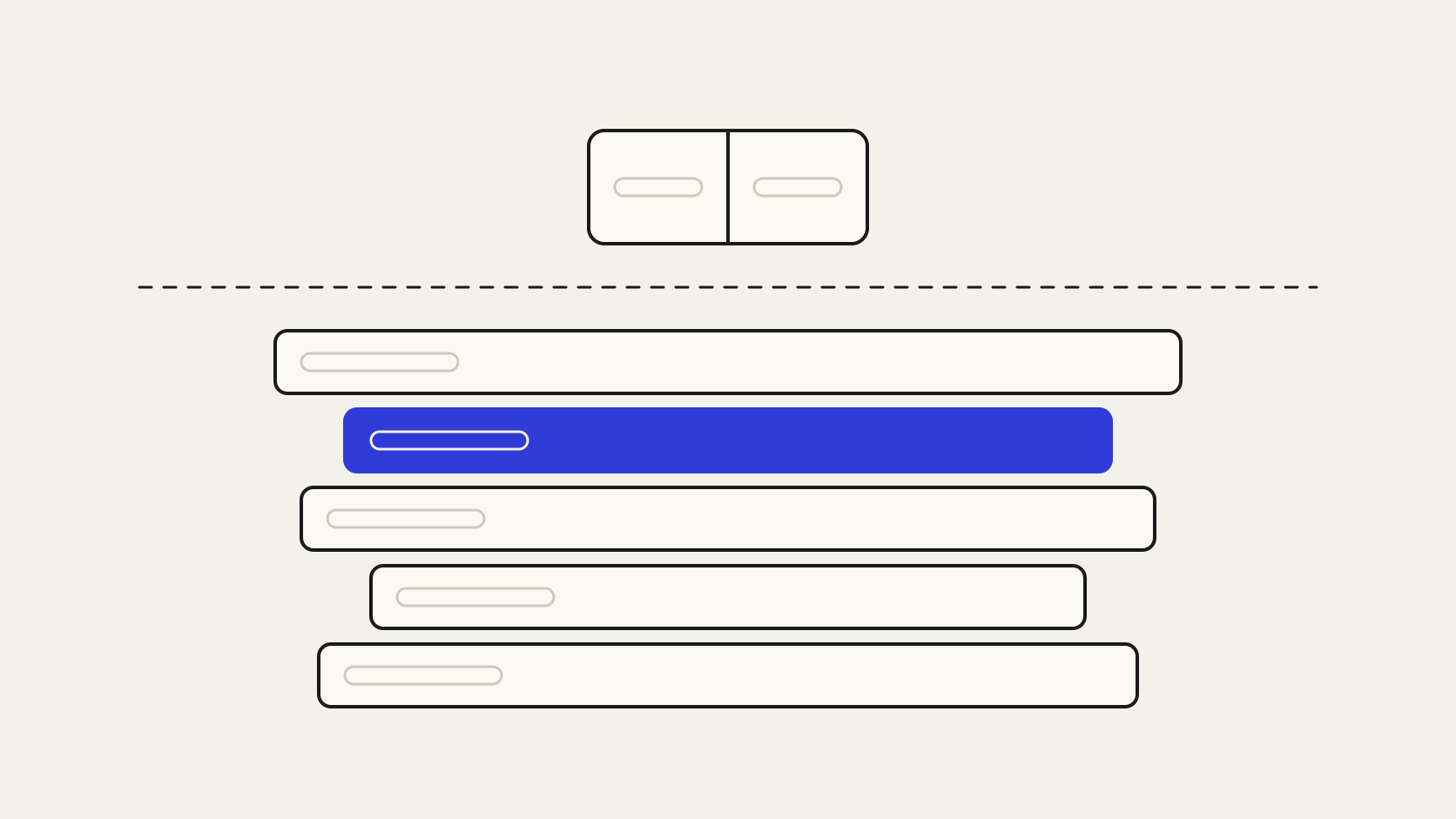
Four of the seven steps repeat in almost every project: connecting sources, resolving meaning, applying permissions and maintaining. When each project handles these steps on its own, the second AI implementation takes almost as long as the first.
The Company Brain treats these four steps as shared infrastructure. The connection to the ERP, helpdesk, planning and contracts is built once. The knowledge graph links the customer's email to the order, the production order and the shipment. The business ontology records what a confirmed order and a delivery date mean in this company, and the semantic layer translates the agent's question into the right query.
Context is served to the model through MCP, the open protocol that connects models to data sources, with permissions inherited from the source system. Through the agent, the customer service rep gets what they already see in the ERP. Each answer points to the order and the production order the status came from, and human review checks the source instead of redoing the search.
The next project, such as an account briefing for sales, starts from that context. What remains are the steps specific to the new case: workflow, decision maker and metric.
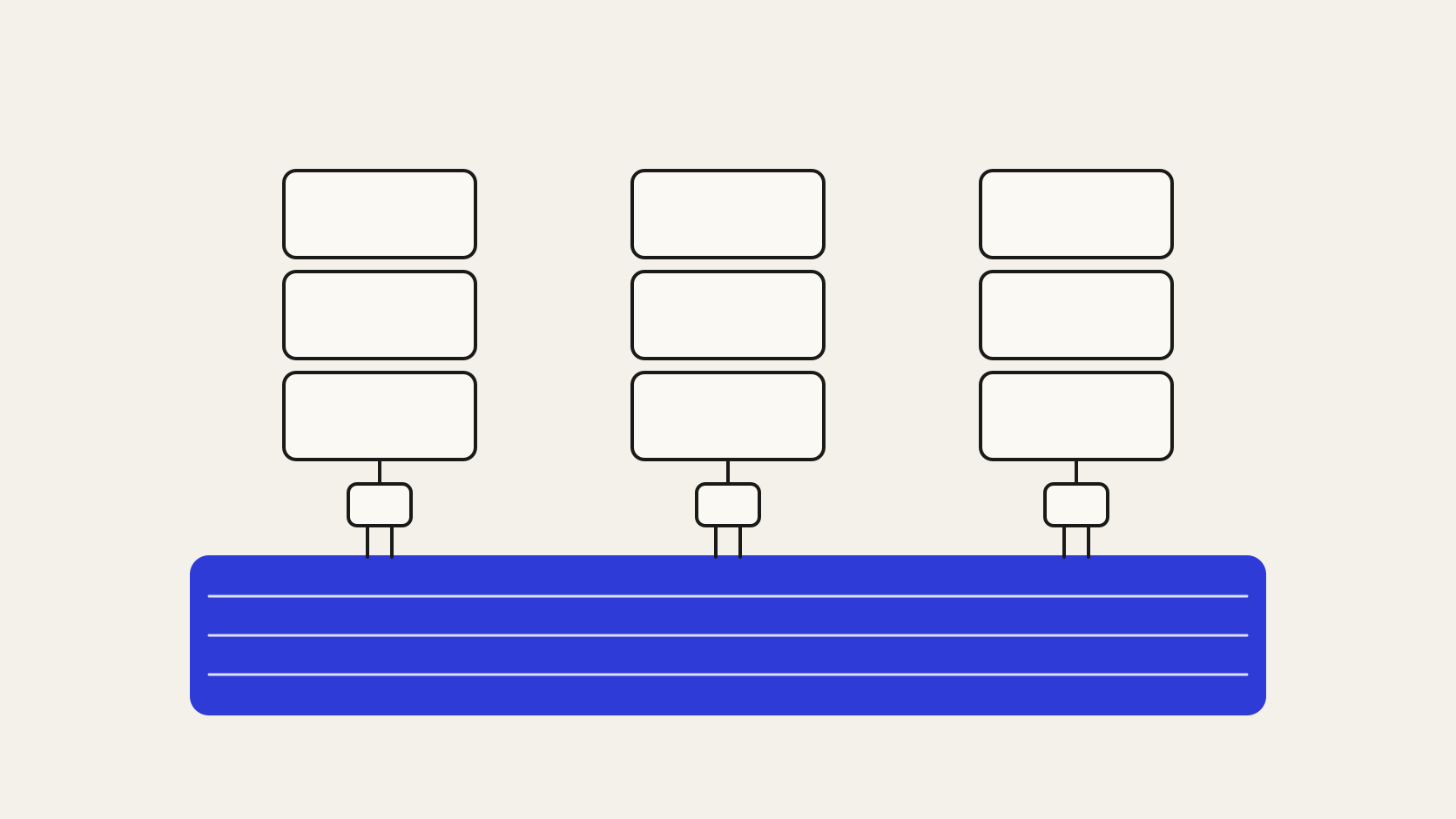
The Company Brain cuts the work repeated across projects. The workflow, decision and measurement steps still need people from operations. Someone has to say when moving an order forward is acceptable and which error is tolerable. An AI implementation without that person nearby automates the workflow on paper, which is rarely what the factory actually does.
There are technical prerequisites too. Sources need to be reachable through an API or database, master data needs a minimum of consistency, and every term definition needs an owner. Without an owner, the ontology holds a definition nobody defends when it is challenged.
The starting point is a recurring process, with enough volume to justify the work and one person accountable for the result. Order changes meet both criteria: they arrive every day and have a clear decision maker in planning.
Before choosing the model, the useful work is to map the seven steps for that process and record which sources, definitions and permissions it needs. That survey shows the real timeline of the AI implementation and indicates which parts of the context will be reused in the next process.