In short
An AI platform bought by a distributor works in the vendor's tests and stalls in its first week inside the company. The product catalog uses internal codes nobody documented, return approvals go through a spreadsheet and access to the ERP depends on a profile the vendor does not have. The forward deployed engineer, or FDE, is the professional who works inside the customer to get through that stretch. At Strattum, the FDE is the one who deploys the Company Brain, the layer that knows the company: what data exists, where it lives, how it connects and who can see what.
A forward deployed engineer is a vendor software engineer who spends most of their time with the customer's teams. They write code, set up integrations and adjust the product in the real environment, next to the people who run the process the technology is meant to support.
The role is accountable for the technical outcome of the use case, which is complete when the customer team uses the solution day to day, with its own data and rules.
The term comes from military vocabulary, which calls forces positioned close to the ground forward. The job got its name at data software companies serving governments and large corporations, customers with legacy systems, strict security rules and processes that could not be reproduced in a test environment.
In those contracts, the generic product solved part of the problem, and the rest depended on adapting to each customer's data and process.
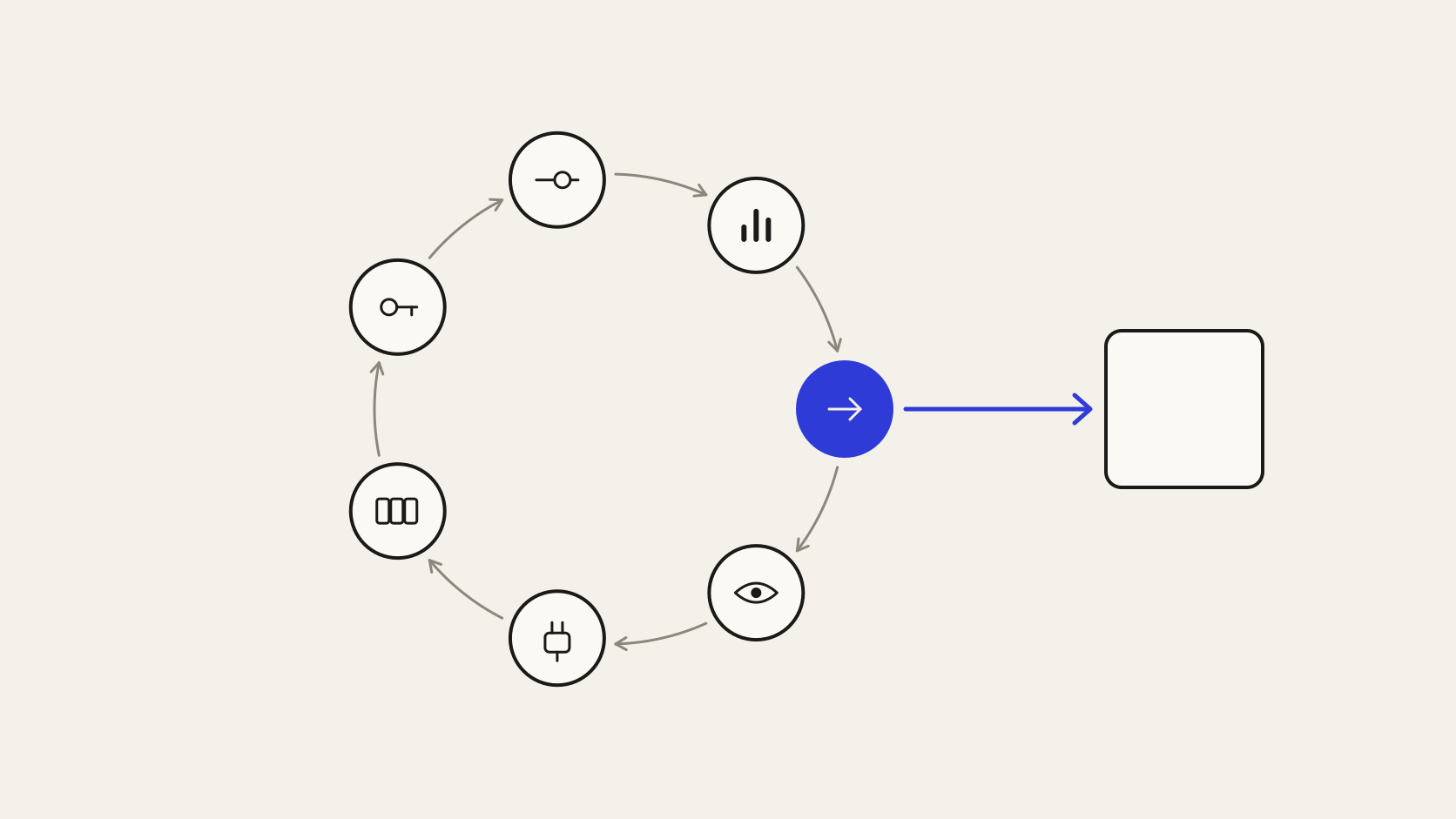
The cycle usually follows seven activities:
The last activity defines the role's value for the vendor. Field learning becomes a connector, a feature or a reusable ontology model.
Three roles are often confused with the FDE:
In practice, the roles coexist, and customer success takes over follow-up once the FDE has taken the use case to production.
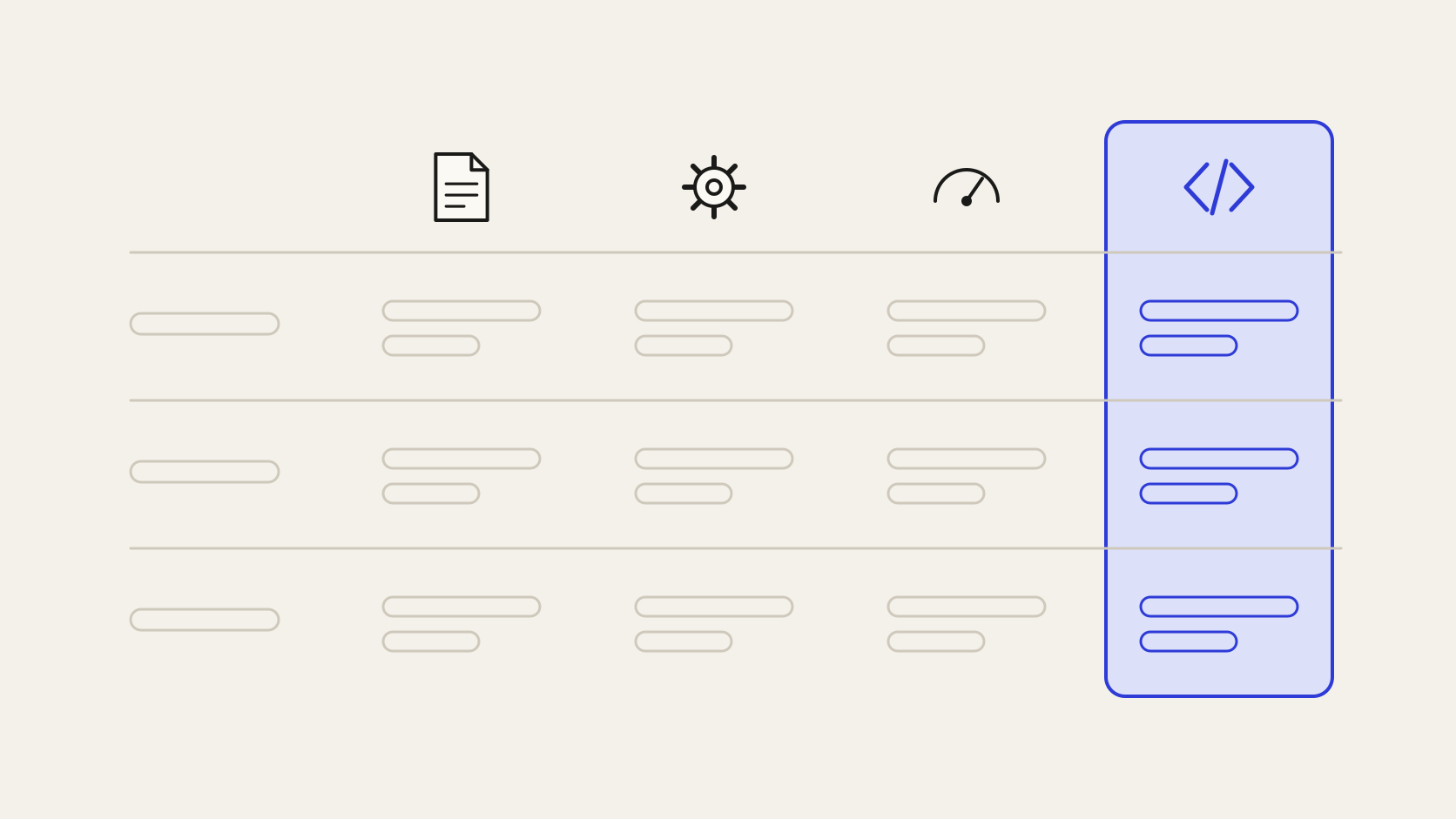
The last mile is the stretch between the generic product and a company's specific process. The vendor delivers components that work for any customer. The customer has internal codes, exceptions agreed over the phone, approvals in spreadsheets and permissions designed over years.
In 2018, a study published by the NBER showed that general purpose technologies such as AI require complementary investments in processes, business models and human capital. The FDE's work is part of that investment, made where the process happens.
With language models, the last mile got longer. Every company has its own data, terms and rules, and an agent without the local meaning of a released order produces a fluent answer about the wrong thing. That is why the forward deployed engineer model has grown again with AI: each company's context can only be gathered from inside it.
At Strattum, the FDE connects the sources for the first use case, such as CRM, ERP and helpdesk, and builds the knowledge graph that links the records in those systems.
Together with the business teams, they build the business ontology: what a released order means for logistics, finance and sales, and which definition applies to each question. Permissions are inherited from the source systems, and context is served through MCP to whichever models and agents the company chooses.
What the FDE models stays in the Company Brain, inside the customer's environment. The second use case starts from the sources, entities and definitions the first one left resolved, and the FDE's presence shrinks with each use case.
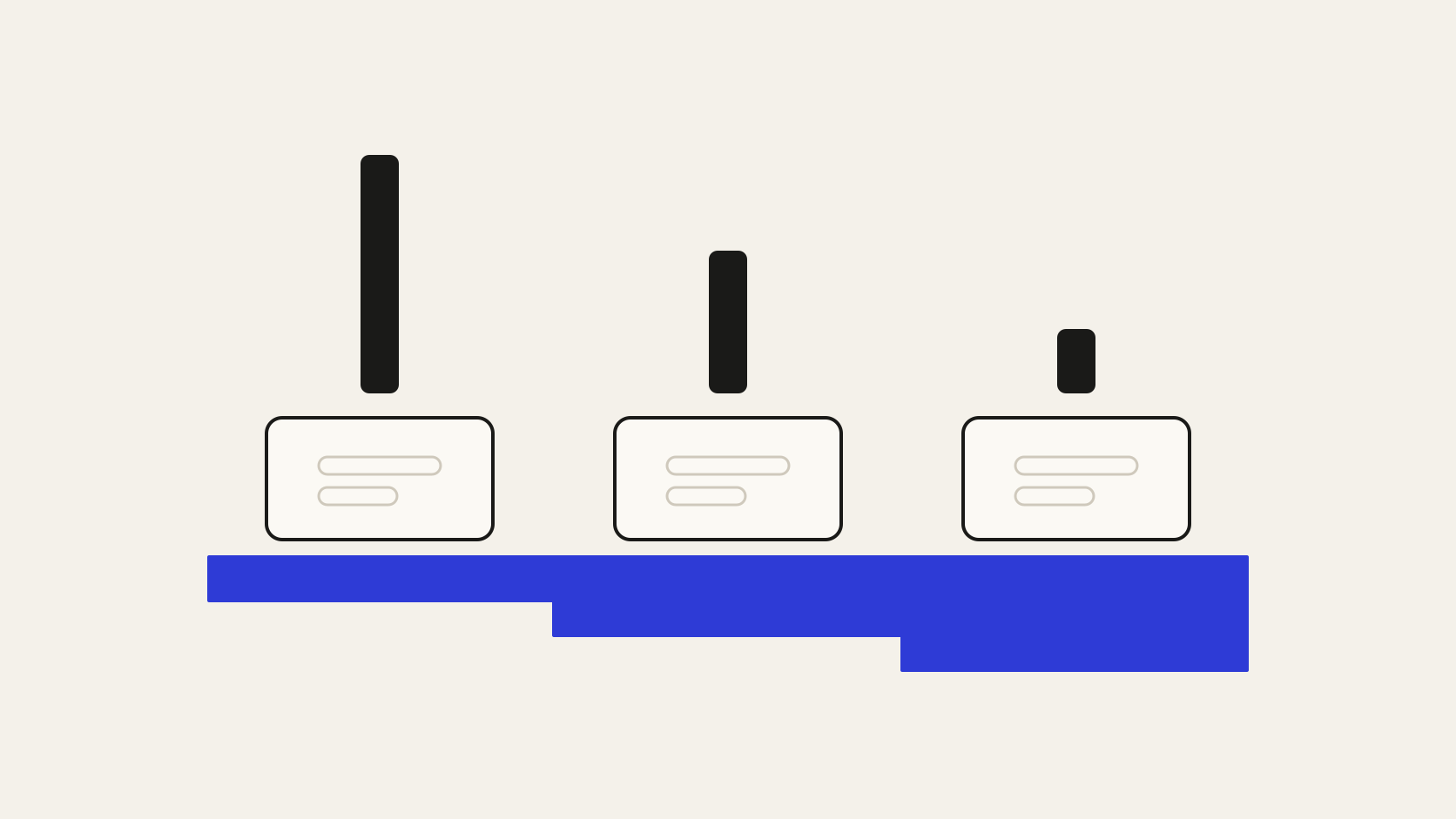
A forward deployed engineer speeds up deployment because they know the platform inside out. Business decisions stay with the company: which definition prevails, who can see which data, which process changes.
The practical starting point is to name the internal owner before the FDE's first day. This is someone from the use case's team, with time set aside, the authority to settle definitions with other teams and access to whoever approves permissions. They work side by side with the forward deployed engineer during deployment and take over operations as the FDE's presence shrinks.