In short
The head of operations at an engineering company wants to know, before the weekly meeting, which projects have late materials and a pending client measurement. The answer exists, scattered across the purchasing system, the project schedule, the financial ERP and the contracts. Putting it together takes days and involves people from several departments. Corporate digital brain is the name some companies use for the structure that answers this kind of question. It is a translation of Company Brain, the company's operational brain: the layer that knows which data exists, where it lives, how it connects and who can see what.
The term was born in English, as Company Brain, and reached Portuguese in versions such as cérebro da empresa, cérebro corporativo and cérebro digital corporativo. The translation helps people outside technical teams recognise the idea: a structure that gathers what the company knows about itself and delivers that knowledge to whoever asks.
The word brain, on its own, suggests anything intelligent. That is why the term is only useful when it is tied to a mechanism, and the market still uses the same name for products with very different functions.
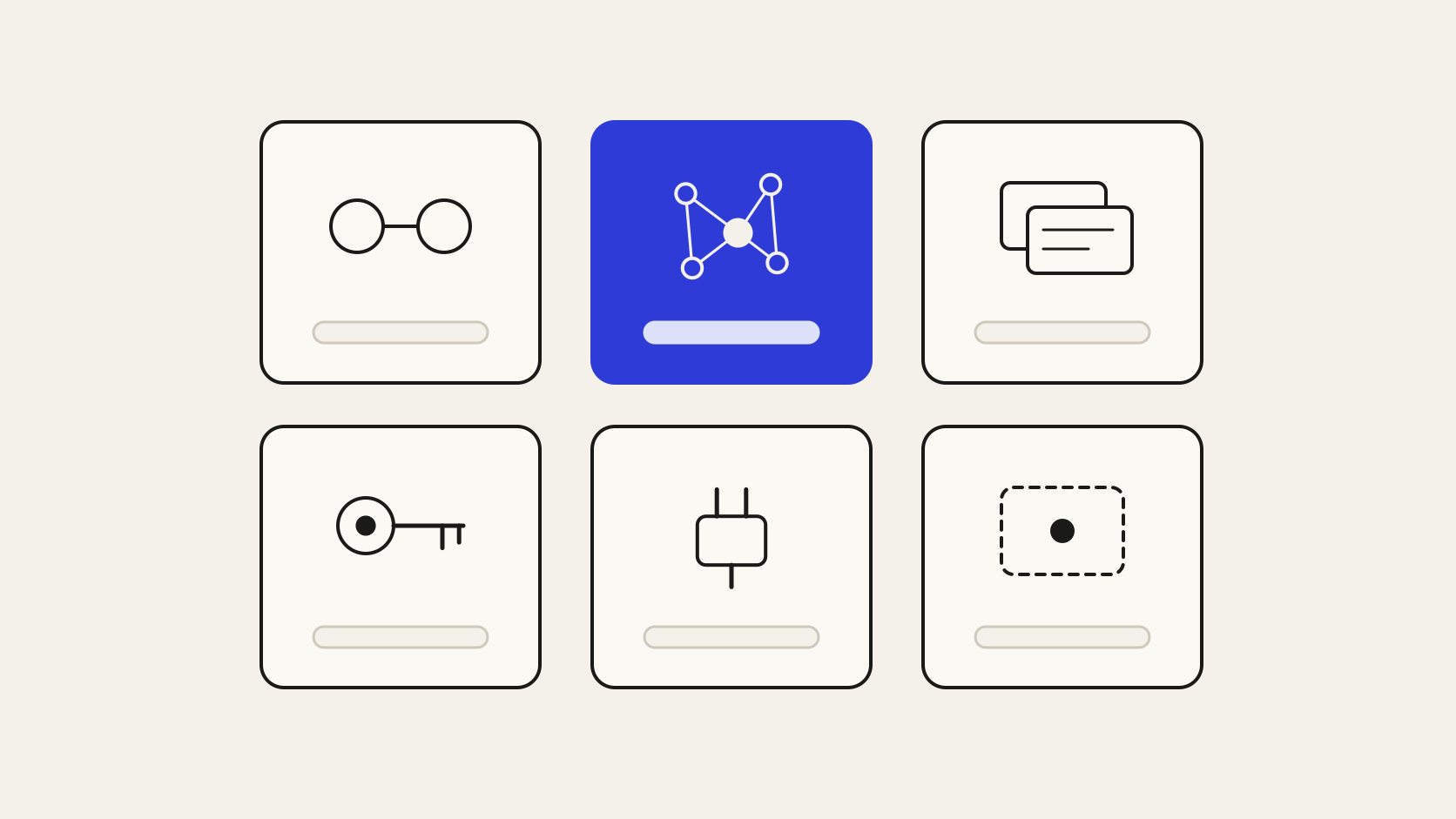
To deserve the name, the structure has to perform six functions:
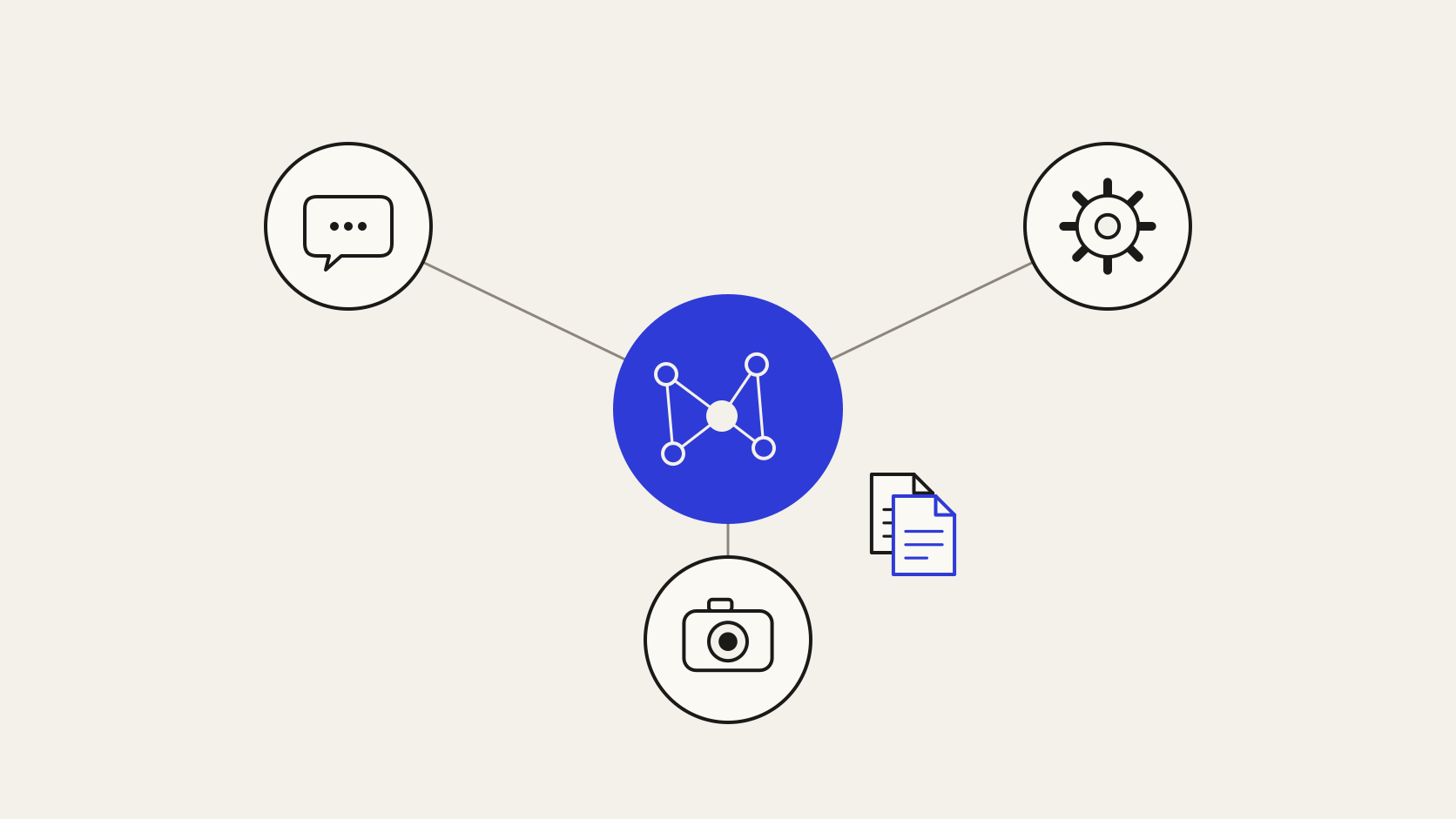
A simple way to explain the role of the corporate digital brain is to look at what companies buy in AI. The mouth is talking with AI: chat, assistants, summaries, writing. The hands are acting with AI: agents that carry out tasks and write to systems. The eyes are observing with AI: reading documents, transcribing meetings, monitoring.
Without a brain, each part fails in its own way. The mouth answers fluently about a business it does not know. The hands apply the action to the wrong record. The eyes capture volume that nobody organises.
Memory completes the picture. Storing and remembering are different things: a repository keeps the purchase order, and memory knows that the order belongs to the project with a pending measurement and to the supplier that delivered late last time.
The mechanism behind this has three components. The knowledge graph links the records. The ontology defines the terms. The semantic layer translates a natural language question into the right data, with the permissions of the person who asked.
A corporate digital brain can use all three. It adds the link between records in different systems, the agreed meaning of terms and per-person permissions at question time.
Knowledge management already dealt with part of this problem. In 1991, Ikujiro Nonaka argued in Harvard Business Review that creating knowledge depends on tapping employees' tacit insights. Knowledge bases record the part that someone wrote down. Much of what the operation knows sits in the systems themselves and in the relationships between records.
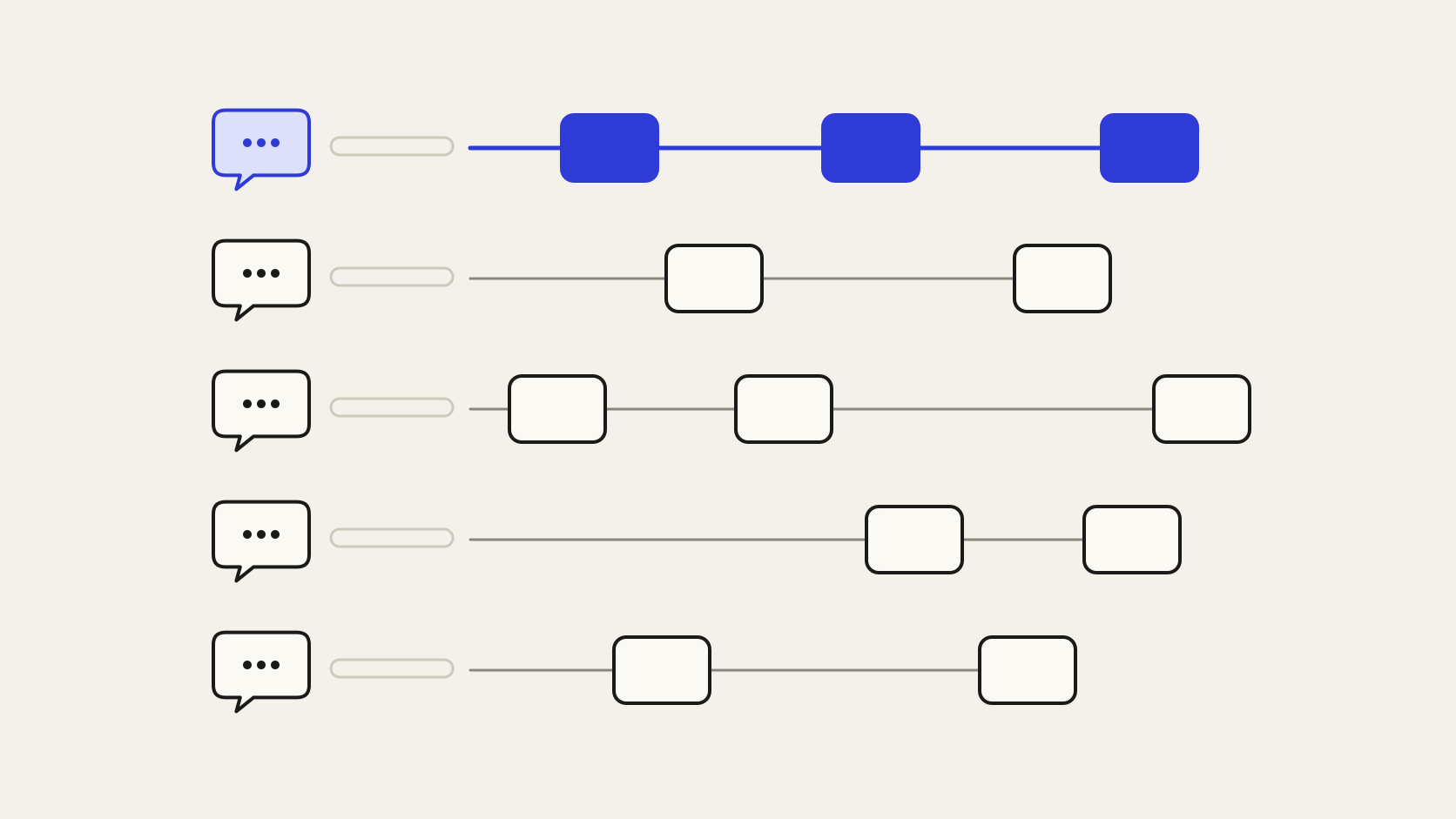
Some examples of management questions that today require several people:
In each case, the answer points to the system and the record it came from, and the decision stays with the person who asked.
Data is the company's competitive advantage, and the corporate digital brain was designed so that it stays with the company. The records remain in the client's systems and environment. At question time, the model receives only the slice that permissions allow, under the terms of the contract with the provider.
How far this protection goes depends on the chosen architecture and on the contract with the model provider, which sets retention and use for training. Because context is served over a protocol, switching models also does not require rebuilding the connection to the sources.
The structure reduces wrong answers caused by missing context. Answer quality still depends on how well the source data is kept. It also requires read access to the systems and a person responsible for each definition that departments dispute.
The first practical step is to list three questions the board asks often and that today depend on several departments to answer. The one that comes up most and has a clear owner points to the first sources and the first terms of the corporate digital brain.