In short
An external auditor asks the internal controls team for evidence of a bank reconciliation from the last close. An AI agent prepared the reconciliation by matching the ERP ledger against the bank statements. The auditor wants to know which records the agent read, under which rule, on whose behalf and who approved the result. Without that record, the work is redone by hand. An AI audit deals with this question, and the answer depends on how context reaches the model. That is the role of the Company Brain, the layer that knows the company: what data exists, where it lives, how it relates and who may see what.
An AI audit is the independent check that an artificial intelligence system operates in line with internal rules, company policies and applicable laws. The auditor sits outside the team that built the system, and the conclusion rests on records that another reviewer can consult again.
In 2021 the GAO, the audit body of the United States Congress, published an AI accountability framework organised around governance, data, performance and monitoring, with questions for managers and auditors under each principle. The document notes that the inputs and inner workings of these systems are not always visible.
The first layer examines the system: which models are in use, which data they were configured with, which access controls exist, which tests were run before production and whether the documentation describes what the system does.
The second layer examines each answer or action. A well-designed system can still get a specific case wrong, and the AI audit needs to reconstruct that case. To make this possible, every execution records:
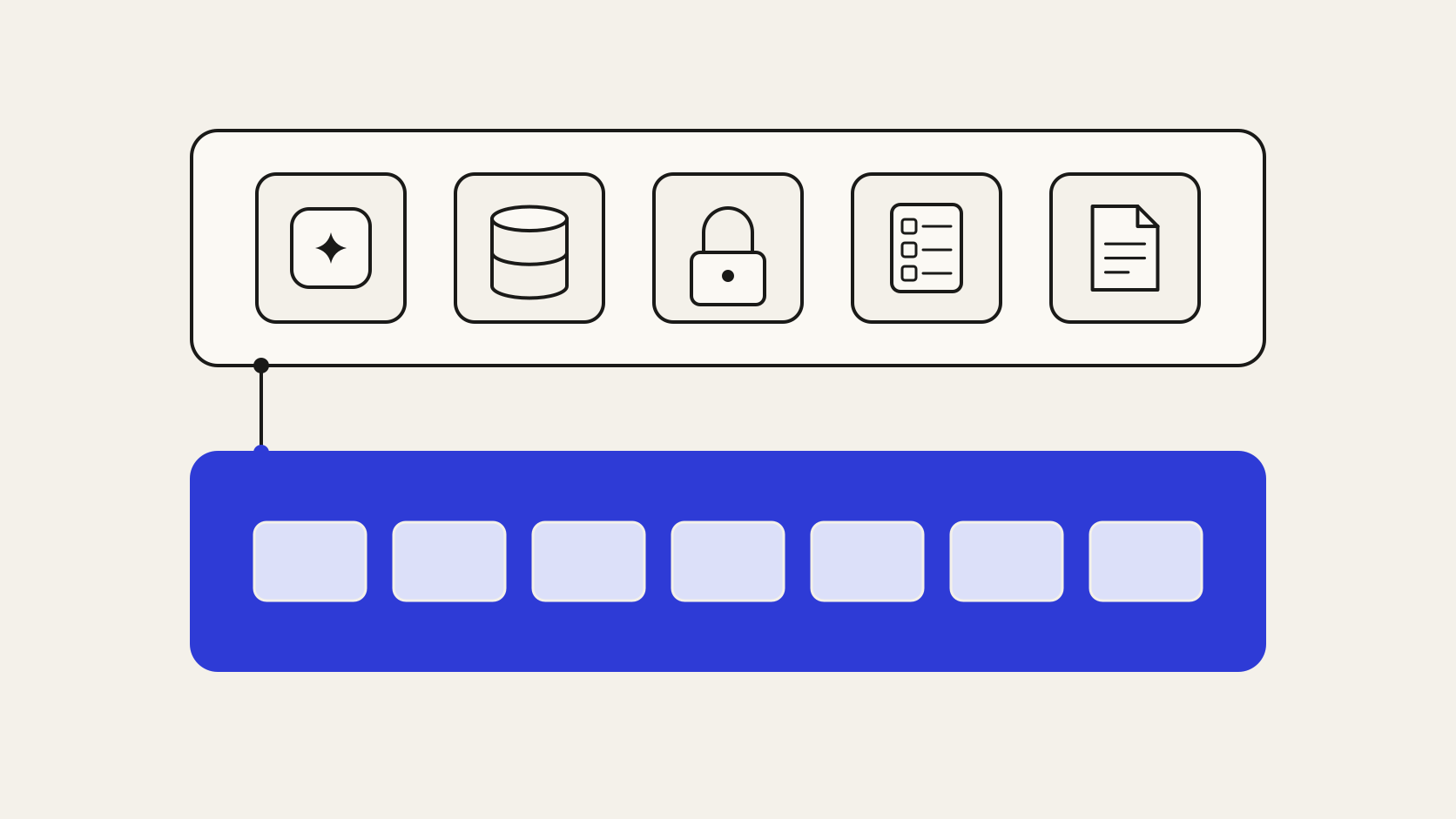
Together these records form the audit trail, and it only has value when it is produced at execution time. The auditor has no way to verify a reconstruction put together weeks later from screenshots and memory.
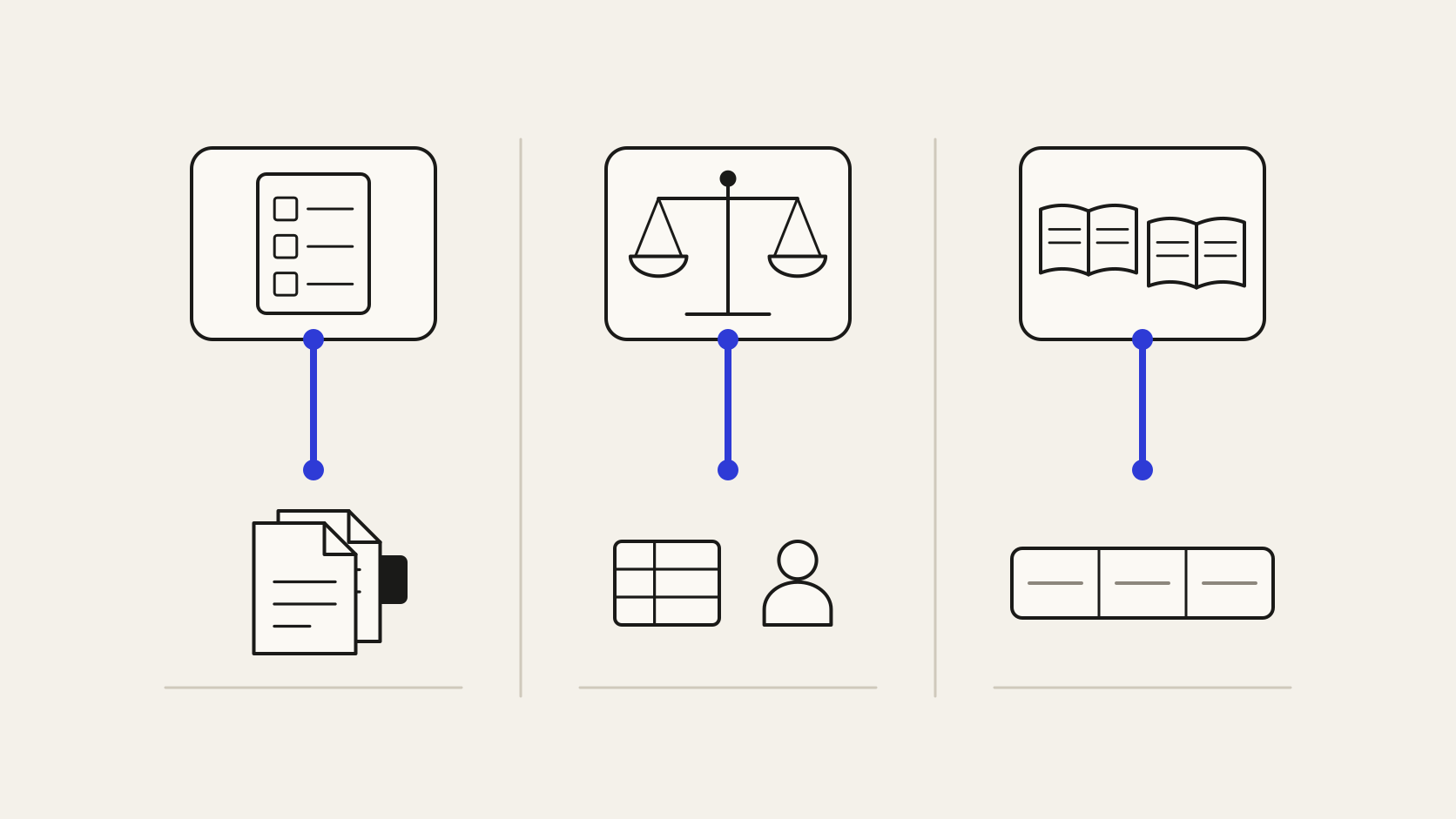
Three situations show what is at stake:
Without a trail, all three situations stall, and the team redoes by hand a result that may well have been correct.
With language models, the same question can produce different text in different runs, and literal reproduction is not always possible. What an AI audit can verify is whether the answer is consistent with the context the model received.
That requires versioning three elements: the model, which the vendor may update; the prompt and the agent's instructions, which change the result with every wording tweak; and the data, because the contract consulted in March may have received an amendment in April. With all three recorded, the reviewer rebuilds the context of that run and compares it with the answer delivered.
The trail stores questions, context and answers, often with personal or confidential data. Keeping everything indefinitely creates a new risk, because the audit log becomes the company's largest copy of sensitive data.
A common practice sets a retention period per process, aligned with the legal or contractual period for proof, and stores references to the source records instead of full copies whenever possible. Access to the trail itself also needs control.
In the Company Brain, context reaches the model through a single layer, and every query served over MCP records what was delivered. The knowledge graph shows which records make up each entity queried. The business ontology points to the definition applied to each term. The semantic layer records how the question became a query.
The query runs with the permission inherited from the source system and with the identity of whoever asked. Each piece of information carries the reference to the system and the record it came from. Because the data stays in the customer's environment, the trail also stays under the company's control.
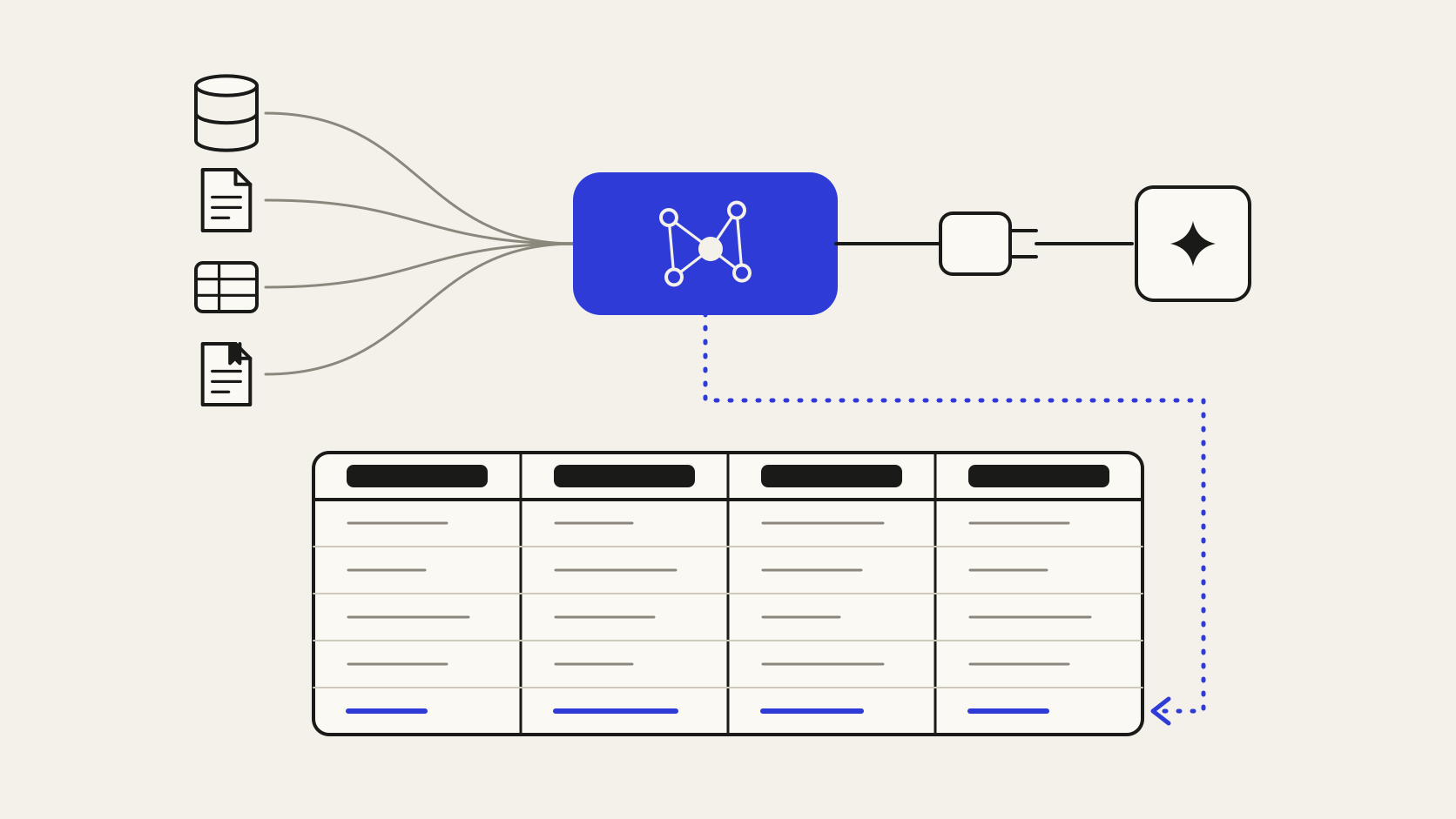
A complete trail shows which sources and definitions supported the answer. If the source was out of date or the definition was wrong, the trail records the error precisely and leaves the fix to the people responsible.
That is why an AI audit still depends on human review in the processes with the greatest consequences, on tests with questions whose answers are known before every model change, and on an owner for each business definition.
The practical starting point is a process that already goes through audit and is about to use AI, such as the monthly bank reconciliation.
Before production, the team agrees with internal audit on the evidence that process requires: which sources, which definitions, which approvals and how long to keep each record. That list becomes a system requirement, and each following process reuses the sources, definitions and logging pattern already validated.