In short
A language model's answer can be well written, sound confident and cite a contractual deadline that does not exist. This phenomenon has a name: AI hallucination. It does not depend on a bug in the code or on bad faith from whoever configured the system. In most cases, it comes from a question that reaches the model without the data needed to answer it. That is why the topic leads straight to the Company Brain, the layer that knows the company: what data exists, where it lives, how it relates and who may see what.
The most widely accepted definition describes hallucination as generated content that sounds fluent and coherent but does not match the facts or the source provided. Academic research has studied the subject for years. A central reference is the survey of hallucination in natural language generation published in ACM Computing Surveys, which organises metrics, causes and mitigation methods across different tasks.
What matters for a company lies in the word plausible. An absurd answer is thrown out on the spot. A plausible answer gets through a quick read, because it has the format, vocabulary and tone of a correct answer.
An LLM produces text by predicting, at each step, the most likely next piece based on what it received and what it learned in training. The mechanism is the same whether the information is in the prompt or not. If the question is about the SLA a customer signed up for and the contract never reached the model, the most likely continuation is a typical market SLA, written with the same fluency.
The model has no reliable internal signal that separates what came from the source from what came from the statistical pattern. The gap in the input becomes text in the output. That is why AI hallucination is, above all, a context problem.

In personal use, a hallucination costs a fact check. In business use, the answer moves on. An invented deadline goes into the proposal sent to the customer. A wrongly attributed discount is written to the ERP by an agent with write permission. A plausible number goes into the committee pack and supports an investment decision.
Each step gives the wrong information a stronger appearance of validity, because it now sits in an official document. The further from its origin the error is discovered, the more it costs to undo.
Newer models tend to hallucinate less on general knowledge questions, though not every new generation improves on this. They still have no access to that customer's contract or that branch's stock. For internal data, model size does not replace the data, and AI hallucination about the business keeps the same cause.
An instruction in the prompt to answer only from the sources helps, and it has limits. When the source sent is the wrong one, out of date or incomplete, the model follows the instruction and answers from it. The hallucination changes origin and is still there.
The measures that work act on the input and on checking the output:
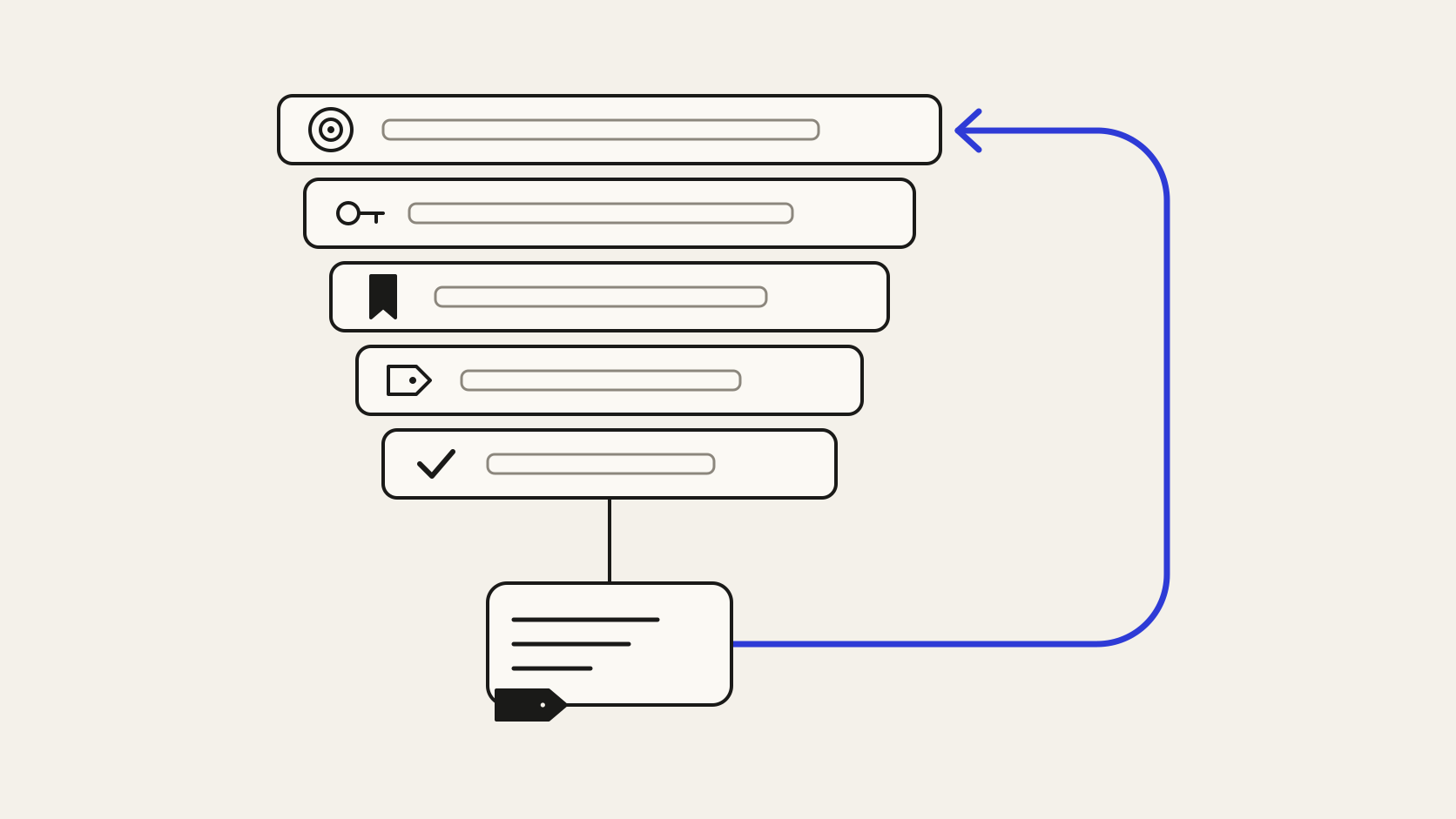
The Company Brain acts on the main cause. The knowledge graph links the customer to the contract, orders and tickets, which reduces records getting mixed up. The business ontology records what each term means in the company. The semantic layer translates the question into the right query and applies the permission inherited from the source system.
The resulting slice is served to the model over MCP with the origin of each piece of information. When the answer cites an SLA, the citation leads to the clause in the contract. When the data does not exist in the sources, the context arrives empty at that point, and the workflow can treat the absence as an absence. AI hallucination drops, and what remains is verifiable.
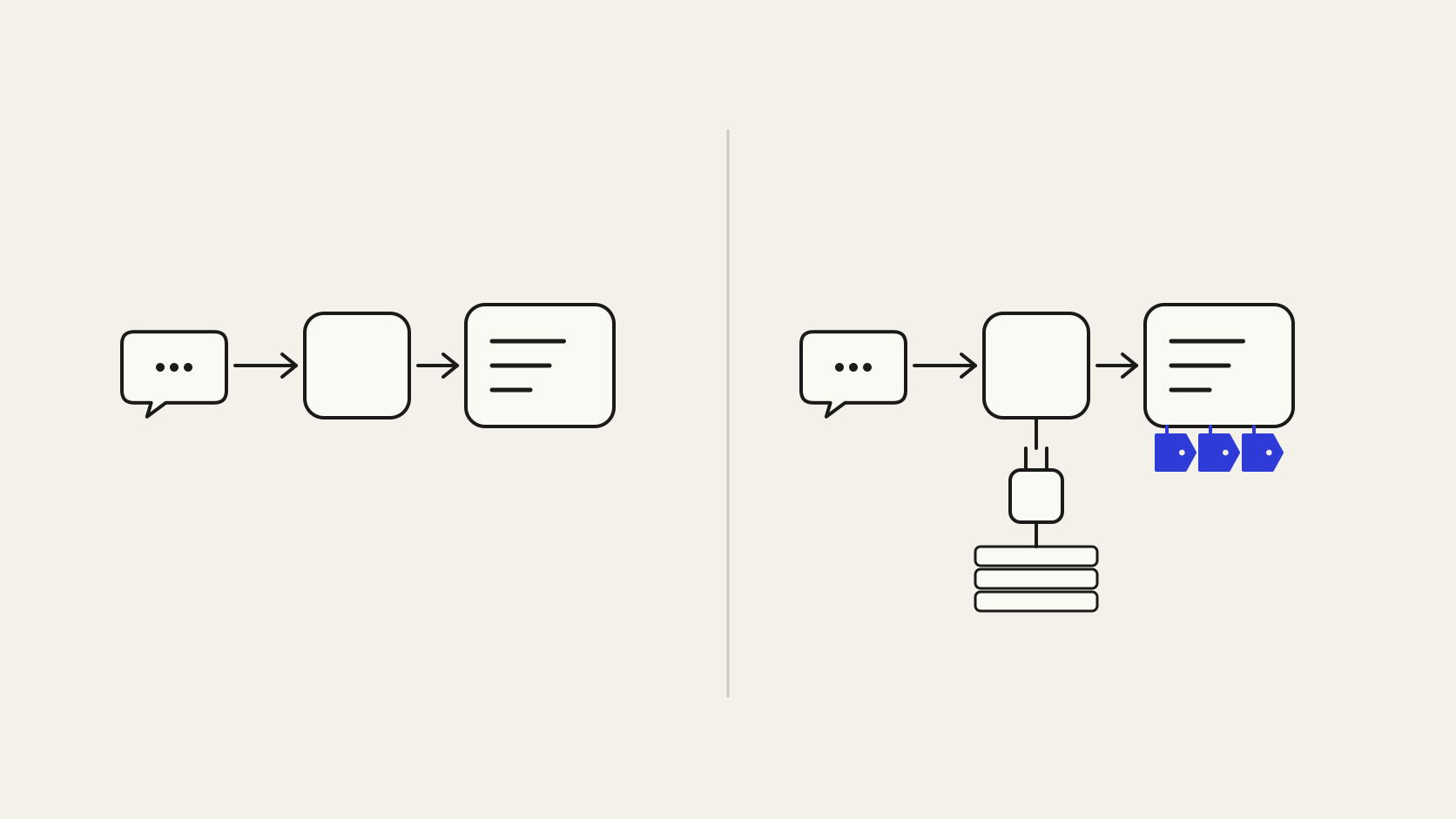
No architecture eliminates hallucination. The Company Brain reduces how often it happens and makes each answer auditable, and that depends on up-to-date sources, definitions maintained by the teams responsible and correct permissions at the source. Wrong data in the ERP is still wrong in the answer.
The practical starting point is to gather a few dozen questions the teams already ask, with the correct answer checked by someone who knows the process. That set measures AI hallucination before and after each change, and shows which sources and definitions need to enter the context first.